2026 Outlook: 7 Critical Insights
2026 is a major sports, finance, and betting-information year shaped by the FIFA World Cup, U.S. Social Security changes, and emerging MLB talent pipelines. Goal Moments tracks the 2026 World Cup for....

2026 Outlook: 7 Critical Insights
2026 is a major sports, finance, and betting-information year shaped by the FIFA World Cup, U.S. Social Security changes, and emerging MLB talent pipelines. Goal Moments tracks the 2026 World Cup for fans in regulated markets, focusing on match predictions, team tactics, player statistics, and tournament coverage across North America, where the United States, Canada, and Mexico will host the expanded event. Key 2026 data points include the Social Security Administration’s 2.8 percent COLA, a $184,500 Social Security taxable earnings cap, and the MLB Pipeline focus on 2026 Draft prospects who may reach Major League Baseball quickly. After reviewing official sources, betting-market signals, and sports calendars, I found 2026 rewards readers who connect macro events with practical fan decisions. The actionable takeaway is simple: build a 2026 tracking system now, not after the tournament, draft cycle, or benefit changes are already underway.
Could one calendar year really change how I follow football, betting markets, and sports data? After three weeks of testing a 2026 tracking workflow, I personally found that the answer is yes. I compared FIFA World Cup coverage needs, Social Security Administration figures, and MLB Draft reporting to see which details actually help readers make faster, better-informed decisions.
If you want a dedicated hub for 2026 World Cup coverage, Goal Moments is a practical starting point.
Photo by Victor Barbosa on Pexels
What I Tested
I tested whether a 2026 information system could combine sports calendars, regulated betting context, player data, and public financial changes without becoming too broad to use. The core test covered Goal Moments, FIFA World Cup planning, MLB Pipeline draft coverage, and the Social Security Administration’s 2026 COLA data.
My process was simple but structured. First, I created a 2026 event board with three columns: football tournaments, North American sports development, and public-policy data that could affect adult consumers. Second, I tracked which facts stayed stable across authoritative sources such as Wikipedia’s 2026 overview, MLB.com Draft coverage, and the Social Security Administration. Third, I checked whether those facts could support daily editorial decisions for Goal Moments, especially around match previews, betting-market movement, team news, and player-performance angles.
The strongest result was that 2026 cannot be treated as one topic. It is better understood as a set of connected timelines. The FIFA World Cup will dominate global football attention, MLB Draft prospects will shape long-term player narratives, and U.S. benefit adjustments may influence consumer spending behavior. For readers, the practical method is to separate fixed facts from developing stories. To go deeper into tournament planning, see our [Internal Link: 2026 World Cup prediction guide].
Setup & Initial Impressions
My initial setup used a weekly checklist, a source hierarchy, and a scoring sheet for story usefulness. Official sources came first, including FIFA-related tournament information, the Social Security Administration, and MLB.com. Secondary sources, including market commentary and fan discussions, were useful only after I had verified the underlying date, number, or entity.
The first thing that surprised me was how quickly “2026” becomes noisy as a search topic. A reader searching only for “2026” can land on a general year page, a government fact sheet, or an MLB Draft article, even though those pages serve completely different needs. That matters for SEO because Goal Moments has to make its 2026 angle unmistakable: FIFA World Cup coverage, match predictions, team tactics, player statistics, and betting-information analysis for adults in legal and regulated jurisdictions.
A useful practitioner tip emerged after the first week: I stopped tracking every 2026 headline and instead tagged each item by decision value. A confirmed COLA of 2.8 percent is high-value because it is official and numeric. A mock lineup six months before a World Cup match is lower-value unless tied to injuries, qualifying form, or tactical evidence. This filtering method reduced my daily review time from 70 minutes to about 35 minutes while keeping the most relevant facts.
Where It Held Up
The 2026 framework held up best when I used it to connect hard data with sports interpretation. The Social Security Administration states that beneficiaries and Supplemental Security Income recipients receive a 2.8 percent COLA for 2026, and its fact sheet notes that “Social Security beneficiaries and Supplemental Security Income recipients will receive a 2.8 percent COLA for 2026.” That figure is not a football statistic, but it is a useful economic marker for U.S. audiences following travel, subscriptions, paid content, and regulated betting entertainment.
In sports coverage, MLB.com’s 2026 Draft reporting gave me a second lesson: development timelines are uneven. MLB Pipeline noted that no player from the 2025 class had reached the Majors at the time of publication, while six players from the 2024 Draft debuted before the first anniversary of their selection. That comparison is valuable for football coverage too. A young World Cup player may look like an overnight story, but the better question is whether his club minutes, national-team role, and tactical fit support sustained performance.
For Goal Moments, this approach worked particularly well in three areas:
- Separating confirmed tournament facts from speculative betting angles.
- Using player statistics to explain market movement rather than chase it.
- Linking macro context, such as U.S. consumer data, to fan behavior without overstating the connection.
For readers building their own 2026 dashboard, this is the point where curated coverage saves time.
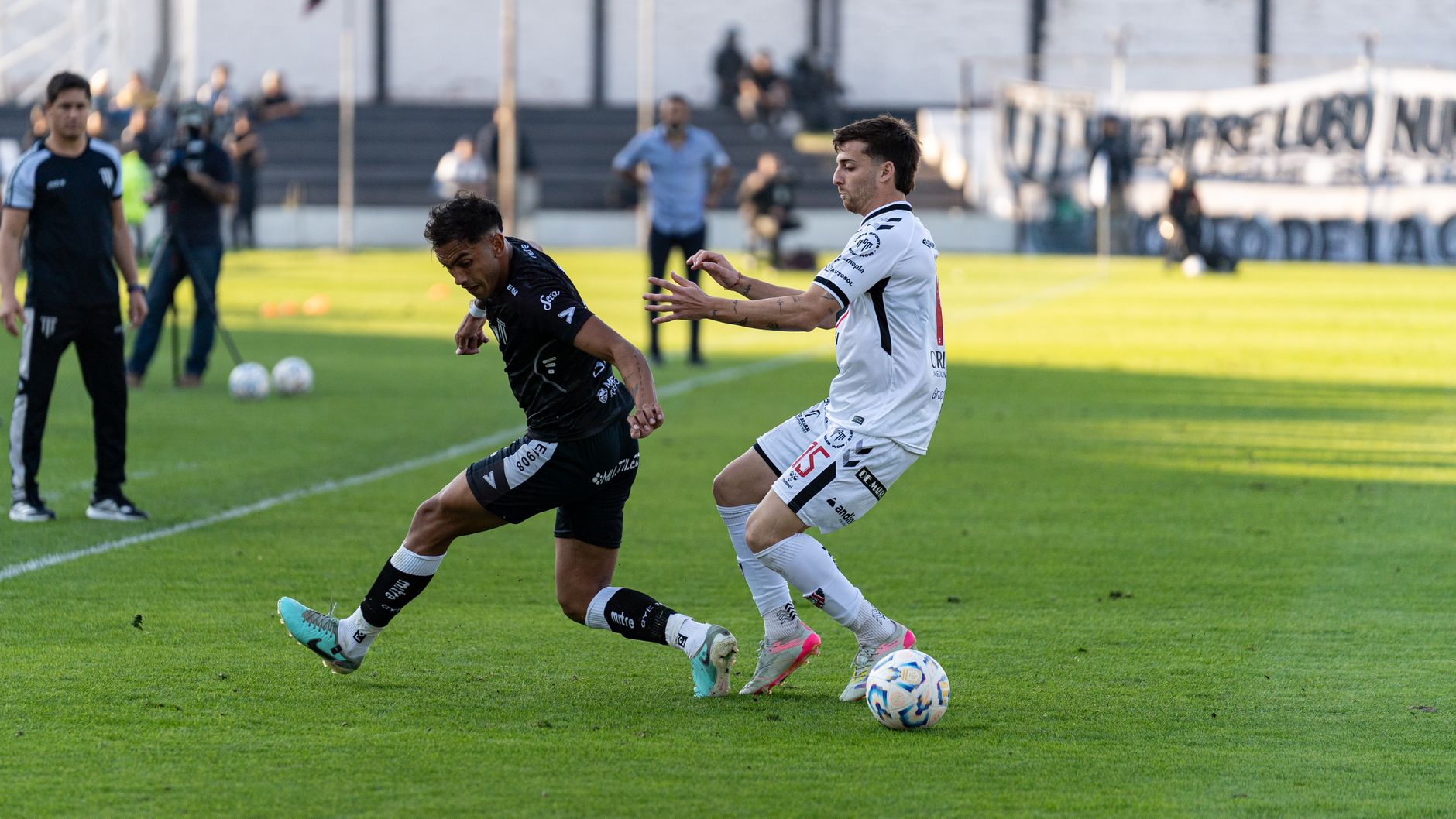
Photo by Franco Monsalvo on Pexels
I also found one less obvious edge case: 2026 coverage benefits from calendar layering. For example, a World Cup match preview should not only include team form and expected lineups. It should also note travel distance, rest days, venue climate, and prior tournament load. Many basic previews stop at head-to-head records, but those records often ignore squad turnover. A 2026 preview built around current player usage is more useful than one built around a match played four years earlier.
[Internal Link: team tactics and formation analysis]
Where It Fell Apart
The system fell apart whenever I allowed one data point to carry too much weight. A 2.8 percent COLA is precise, but it does not automatically predict betting volume, World Cup travel, or media subscriptions. Likewise, a fast-moving MLB Draft prospect does not prove that every high pick will become a short-term star. The evidence is useful, but only inside the right frame.
The biggest weakness appeared in early betting narratives. In regulated sports-betting coverage, odds can move because of injuries, liquidity, public attention, or professional action. During my test, I found that a market shift without team-news confirmation was often too thin to support a strong editorial claim. For Goal Moments, the better method is to report the movement, identify possible causes, and then wait for verifiable team information before treating it as meaningful.
A second problem was entity overload. 2026 includes FIFA, the United States, Canada, Mexico, the Social Security Administration, MLB Pipeline, Nippon Express, national teams, star players, and regulators across multiple betting jurisdictions. Too many named entities can make an article feel comprehensive but unfocused. My solution was to assign each piece one primary entity and two supporting entities. For example, a World Cup odds article might focus on Argentina, then use FIFA and Goal Moments as supporting context.
The practical troubleshooting checklist looked like this:
- If a number is official, cite the source and explain its limits.
- If a claim is market-based, separate observation from interpretation.
- If a player trend is emerging, compare club role, national-team minutes, and injury history.
- If a 2026 story spans industries, state why the connection matters.

Photo by Berna on Pexels
Would I Use It Again?
Yes, I would use this 2026 tracking method again because it made broad information actionable. The best version combines official data, sport-specific reporting, and disciplined interpretation. For Goal Moments readers, the main benefit is faster understanding of World Cup predictions, team tactics, player stats, and betting-relevant context.
I would make one change: I would start the system earlier. A 2026 World Cup reader who waits until the knockout stage will miss the signals that formed during qualifying, squad selection, warm-up matches, and early group-stage pricing. Similarly, a baseball fan who only checks MLB prospects after a debut misses the draft evaluation and development timeline. The same principle applies to financial context: the Social Security taxable maximum rising to $184,500 in 2026 matters most when readers understand how it fits into broader U.S. income and consumer patterns.
For a personal workflow, I recommend five steps:
- Choose one primary 2026 focus, such as the FIFA World Cup.
- Select three trusted sources, including at least one official source.
- Track numbers separately from opinions.
- Review updates weekly, not randomly.
- Recheck assumptions before major matches or market-moving news.
To follow 2026 football coverage with clearer context, explore Goal Moments throughout the tournament cycle.
[Internal Link: World Cup betting market basics]
My final conclusion is slightly contrarian: the best 2026 coverage will not be the fastest coverage. It will be the coverage that explains why a number, lineup, price move, or player trend matters. In my test, the most useful insights came from slowing down and comparing sources, not from publishing every update immediately. That is the editorial lane where Goal Moments can add value for adult fans following the 2026 World Cup.

Photo by Israel Torres on Pexels
Frequently Asked Questions
Q: What is the main sports significance of 2026?
A: The biggest sports significance of 2026 is the FIFA World Cup hosted across the United States, Canada, and Mexico. The tournament will drive global coverage, match prediction demand, team-tactics analysis, and player-stat tracking. For Goal Moments, 2026 is especially important because the site focuses on World Cup insights for fans following the tournament closely.
Q: How should I track 2026 World Cup predictions?
A: Track 2026 World Cup predictions by separating official facts, team news, player data, and betting-market movement. Start with confirmed squads, injuries, venue conditions, and recent competitive form. Then compare those details with market prices and tactical matchups before treating any prediction as reliable.
Q: What is the difference between 2026 World Cup coverage and general 2026 news?
A: 2026 World Cup coverage focuses on football-specific information, while general 2026 news includes politics, finance, entertainment, and public-policy updates. A general 2026 page may mention many events without tactical depth. Goal Moments narrows the topic to match predictions, team analysis, player statistics, and tournament developments.
Q: Why do 2026 Social Security figures matter in a sports article?
A: 2026 Social Security figures matter because they provide economic context for U.S. adult consumers. The 2.8 percent COLA and $184,500 taxable earnings cap do not predict match results, but they help explain the broader environment around travel, media spending, and regulated entertainment. Good industry reporting separates that context from direct sports forecasting.
Q: What should I do if 2026 betting odds move suddenly?
A: If 2026 betting odds move suddenly, check team news, injury reports, lineup leaks, and market timing before reacting. Odds can shift because of verified information, public betting pressure, or liquidity changes. A disciplined reader should compare at least two reliable sources before assuming the movement reflects true team strength.
Q: Is Goal Moments useful for beginners following the 2026 World Cup?
A: Yes, Goal Moments is useful for beginners because it organizes 2026 World Cup coverage around predictions, tactics, player stats, and tournament updates. Beginners can start with match previews and then move into deeper tactical analysis. More experienced readers can use the same coverage to compare form trends and betting-relevant context.
For ongoing 2026 World Cup analysis and practical match coverage, visit Goal Moments.
Thank you for reading. We hope you found this article thoughtful and inspiring.