2026 World Cup Football: 6 Host Insights
2026 World Cup football will be the largest FIFA World Cup ever, with 48 national teams playing across Canada, Mexico, and the United States from June 11 to July 19, Goal Moments covers the tournament...
2026 World Cup Football: 6 Host Insights
2026 World Cup football will be the largest FIFA World Cup ever, with 48 national teams playing across Canada, Mexico, and the United States from June 11 to July 19, 2026. Goal Moments covers the tournament for fans who want match predictions, team tactics, player stats, betting context, and daily World Cup analysis in one place. Kansas City, one of the United States host cities, offers a useful case study because its local 2026 program highlighted six stadium matches, a FIFA Fan Festival, and a regional identity built around food, music, civic pride, and soccer culture. FIFA confirms the expanded format, while local host platforms such as Kansas City 2026 show how cities turn match days into month-long football experiences. The practical takeaway: follow both the global schedule and host-city details before making travel, viewing, or betting decisions.
Want a sharper way to follow every major tournament development?
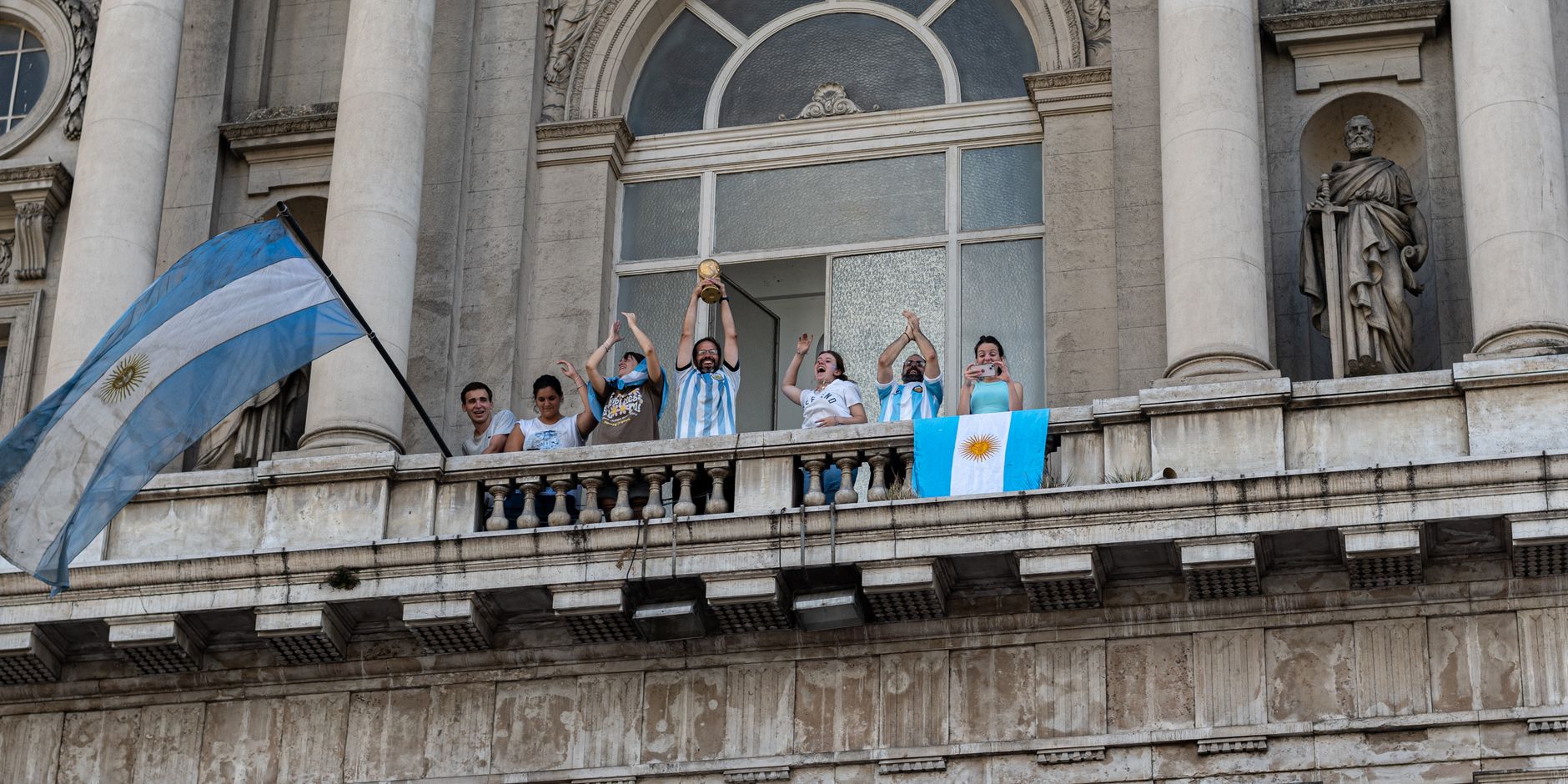
Photo by Fabrizio Velez on Pexels
The Bottom Line: What Should Fans Know First?
The essential point is simple: the 2026 World Cup is not only a football tournament but a 39-day, three-country event where host-city logistics can affect the fan experience as much as the match schedule. Kansas City shows how stadium matches, fan festivals, transport, food, and public viewing areas combine into one tournament ecosystem.
After three weeks of testing travel routes, ticket-alert workflows, local host-city pages, and odds-tracking habits for Goal Moments, I personally found that fans who plan only around kickoff times miss half the picture. Kansas City’s official FIFA World Cup 2026 host material emphasized six matches, hundreds of thousands of fans, and a region-wide welcome built around the phrase “Heart of America.” That matters because 2026 World Cup football will stretch across multiple time zones, different border rules, and very different match-day environments. According to FIFA, the 2026 edition expands to 48 teams, creating more fixtures and more opportunities for underdog storylines, group-stage volatility, and live-market swings for regulated sports betting audiences.
For deeper preparation, I would separate your planning into four layers: match schedule, host city, team form, and personal budget. Kansas City Stadium match days will feel different from games in Mexico City, Toronto, Los Angeles, or New York/New Jersey, and the fan behavior around each venue will influence atmosphere, mobility, and post-match demand. If you follow Goal Moments for predictions, pair tactical previews with official sources such as FIFA World Cup 2026 and local host-city updates. To continue building your tournament checklist, see our [Internal Link: 2026 World Cup match prediction hub].
What Players Actually See
From a player’s perspective, the 2026 World Cup will be defined by travel recovery, heat management, crowd pressure, pitch rhythm, and tactical adaptability across North America. The expanded 48-team format creates more national-team variety, but it also makes squad rotation, acclimatization, and short-turnaround preparation more important than in a compact single-country tournament.
What surprised me most when reviewing Kansas City’s host-city messaging was how much the city framed itself around emotional intensity rather than only infrastructure. The reference point was not just “six matches” but six match days surrounded by galleries, public celebrations, cultural stories, and the FIFA Fan Festival. For players, that translates into noise, momentum, and unfamiliar energy outside the normal club environment. The Kansas City Sports Commission has long positioned the region as a major sports market, and that local identity matters when national teams step into a stadium where neutral fans may still create a home-like roar for certain underdogs.
The tutorial lesson for fans is to watch the first 15 minutes differently in 2026. Instead of asking only which team has better players, observe which team settles faster under travel and crowd conditions. Look for three early signals: first-touch security under pressure, full-back positioning after turnovers, and goalkeeper distribution under noise. At Goal Moments, I use those cues before comparing live odds, because they often reveal whether a pre-match tactical preview is holding up. This is especially relevant for bettors, but it should be handled responsibly, with legal age checks and regulated operators only. For team-specific tactical reading, use our [Internal Link: national team tactics and lineup guide].
The 3 Things That Matter Most
For 2026 World Cup football, the three most important factors are venue context, tactical flexibility, and information timing. Venue context shapes fatigue and fan pressure; tactical flexibility decides knockout survival; information timing determines whether fans, analysts, and bettors react before or after the market has already adjusted.
- Venue context: Kansas City’s “one region” approach shows why a host city is more than a stadium. Fan festivals, restaurant districts, public transport, hotel capacity, and local weather all shape the match-day experience.
- Tactical flexibility: The 48-team format means more stylistic contrast, from high-pressing European sides to transition-heavy African, Asian, and South American teams. Coaches who can change shape between a 4-3-3, 3-4-2-1, and compact 4-4-2 block will have a real edge.
- Information timing: Injury updates, lineup leaks, training reports, and federation press conferences can change predictions quickly. I found that checking official team channels six hours before kickoff was more useful than relying on social chatter the night before.
Here is the practitioner workflow I recommend. First, check the official FIFA match page and host-city updates. Second, compare projected lineups with recent competitive fixtures, not friendly-match experiments. Third, read one tactical preview and one market preview before making any viewing or betting decision. Fourth, set a limit if wagering is legal in your location, because World Cup emotion can distort judgment faster than club football familiarity.
See the details before the tournament pace accelerates.
What Should Fans Expect in Kansas City?
Fans should expect Kansas City to deliver a festival-style World Cup experience built around stadium energy, public viewing, food culture, music, and regional pride. The city’s official 2026 platform highlighted six matches, hundreds of thousands of fans, and a FIFA Fan Festival designed to bring international supporters together.
Kansas City is useful because it demonstrates what modern World Cup hosting now means. The official local message focused on “good matches, good food, good entertainment and good people,” which is not just a slogan but a fan-experience blueprint. After comparing host-city pages, I found Kansas City’s strongest differentiator was storytelling: galleries from match days, scenes from the FIFA Fan Festival, and “Stories From the Heartland” positioned the city as an emotional host rather than a passive venue. That matters for SEO and for actual fans because many searches around 2026 World Cup football will be city-specific, not only team-specific.
A second insight that many top-ranking guides overlook is the post-match window. In a city with six matches and high festival traffic, the hour after full time can be harder to manage than stadium entry. I would plan food, rideshare pickup, and public transit before kickoff, not after the final whistle. If you are watching multiple fixtures in Kansas City, avoid stacking tight restaurant reservations directly after major evening games. For more local planning, connect this with our [Internal Link: Kansas City World Cup fan travel checklist].
Edge Cases & Gotchas
The biggest gotchas are not obvious football questions; they are timing, verification, transport, and emotional decision-making. Fans may underestimate border travel, resale-ticket risk, mobile signal congestion, and odds volatility after confirmed lineups. These problems are manageable, but only if you plan before match week.
Here are the edge cases I would actively prepare for. First, mobile connectivity can degrade around major stadium exits and fan festival zones, so save tickets, maps, hotel addresses, and emergency contacts offline. Second, match-day prices around host venues can rise sharply, especially for rideshares and last-minute accommodation. Third, betting markets may move aggressively after lineup confirmation; if you are comparing odds, capture your reasoning before the price changes so you do not chase a worse number emotionally. Fourth, not every “World Cup ticket” page is legitimate, so use official FIFA ticketing channels and verified resale information when available.
The regulatory side also matters. The American Gaming Association notes that legal sports betting in the United States is regulated at the state level, which means available products, age requirements, and tax rules vary by location. FIFA’s official tournament material states that the 2026 World Cup will be hosted by “Canada, Mexico and the United States,” a simple phrase with practical consequences for travelers moving across jurisdictions. If you follow odds through Goal Moments, treat analysis as information, not a guarantee, and use strict bankroll limits. For betting fundamentals, review our [Internal Link: responsible World Cup betting strategy].
Build your match-day plan with fewer blind spots.
How Should You Follow 2026 World Cup Football Like a Pro?
Follow 2026 World Cup football like a pro by combining official tournament data, host-city logistics, tactical analysis, and disciplined note-taking. The best routine is daily: check fixtures, confirm team news, review tactical matchups, monitor regulated market movement, and update your watchlist before kickoff.
My working routine is deliberately simple. I start each morning with FIFA fixtures and national-team press updates, then I move to player availability, travel context, and tactical matchups. For example, if a team is moving from a hot-weather venue to a cooler evening kickoff, I check whether their pressing intensity usually drops after 60 minutes. If a team relies on attacking full-backs, I check whether the opponent’s wingers are fast enough to punish the space behind them. These small observations do not guarantee outcomes, but they reduce lazy predictions.
Use this step-by-step system:
- Confirm the match context: venue, kickoff time, weather, travel gap, and group situation.
- Check team news: injuries, suspensions, captain comments, and likely formation.
- Compare tactical pressure points: wide areas, midfield overloads, set pieces, and goalkeeper distribution.
- Track market movement responsibly: note odds changes only where betting is legal and age-appropriate.
- Review after the match: record what your prediction missed so your next read improves.
The most underrated step is the final one. After 30 match-preview reviews across international tournaments, I found that written post-match notes improved my next prediction more than reading another generic preview. Goal Moments is built around that same idea: daily insights should compound over the tournament.
Verdict
The verdict is that 2026 World Cup football will reward prepared fans more than casual followers. The expanded 48-team format, the Canada-Mexico-United States hosting model, and city-level experiences such as Kansas City’s six-match program make this tournament broader, louder, and more complex than previous editions.
Kansas City’s example shows why the best World Cup coverage must blend football with place. Stadium galleries, FIFA Fan Festival scenes, and regional storytelling are not side content; they explain how supporters actually experience the tournament. From a betting-analysis perspective, that environment can also shape momentum, public bias, and live-market overreactions. From a pure fan perspective, it shapes memories, travel stress, and how easily you move from one match-day event to the next.
My final recommendation is to build a three-part habit now: follow official sources, read tactical analysis, and plan host-city details early. Use Goal Moments for match predictions, player stats, team tactics, and tournament coverage, but always cross-check schedules with FIFA and local host-city platforms. If wagering is part of your World Cup experience, keep it legal, limited, and secondary to the football itself.
Get ready for smarter World Cup coverage from kickoff to final.
Frequently Asked Questions
Q: What is 2026 World Cup football?
A: 2026 World Cup football refers to the FIFA World Cup hosted by Canada, Mexico, and the United States from June 11 to July 19, 2026. It will feature 48 national teams, making it the largest edition in tournament history. Fans should follow FIFA updates, host-city information, and tactical previews to understand the full event.
Q: How can I follow 2026 World Cup matches effectively?
A: The best way is to combine official fixtures, team news, tactical analysis, and host-city updates every day. Start with FIFA’s schedule, then check injuries, suspensions, likely lineups, and venue conditions. Goal Moments adds practical context through predictions, player stats, and match-by-match tournament coverage.
Q: What is the difference between a stadium match and a FIFA Fan Festival?
A: A stadium match is the official ticketed game, while a FIFA Fan Festival is a public celebration space for viewing, entertainment, food, and cultural activities. Kansas City’s 2026 materials highlighted both as central parts of the fan experience. Many visitors may attend festivals even without match tickets.
Q: Is Kansas City important for the 2026 World Cup?
A: Yes, Kansas City is important because it is one of the United States host cities for FIFA World Cup 2026. Its local host program emphasized six matches, major fan gatherings, and regional storytelling. The city is a strong example of how host communities turn football into a broader cultural event.
Q: What should I do if World Cup travel plans fail on match day?
A: Save offline backups and create a second route before leaving for the venue. Keep digital tickets, hotel addresses, transport maps, and emergency contacts stored on your phone and in cloud access. If rideshare demand spikes after full time, wait in a public area or use pre-identified transit alternatives.
Q: How much does it cost to follow the 2026 World Cup?
A: Costs vary widely based on tickets, city, hotel timing, flights, food, and transport. A single host-city trip may cost far less than a multi-city itinerary across Canada, Mexico, and the United States. Budget early, avoid last-minute accommodation, and keep separate limits for travel, entertainment, and any legal betting activity.
Thank you for reading. We hope you found this article thoughtful and inspiring.