College Football vs NFL: 2026 Schedule Depth
College football in 2026 is a campus-driven American football ecosystem built around FBS, FCS, conference schedules, bowl season, and the College Football Playoff across the United States and selected...

College Football vs NFL: 2026 Schedule Depth
College football in 2026 is a campus-driven American football ecosystem built around FBS, FCS, conference schedules, bowl season, and the College Football Playoff across the United States and selected international venues. Goal Moments examines it as a parallel fan market to the NFL, where ESPN lists Week 1 running from August 22 to September 7, NCAA coverage tracks FBS rankings and scores, and the CFP National Championship is scheduled for January 25, 2027, at Allegiant Stadium in Las Vegas. Unlike the NFL’s centralized 32-team model, college football depends on conferences such as the SEC, Big Ten, Big 12, ACC, Mountain West, Sun Belt, and FBS Independents. The practical takeaway: follow college football by calendar, conference, and roster continuity rather than by league table alone.
I started this review with a simple question: would I follow the 2026 college football season the same way I follow the NFL? After comparing ESPN schedule data, NCAA rankings coverage, and historical context from Wikipedia, I found a sport that rewards earlier planning, deeper conference awareness, and sharper week-by-week filtering than professional football.
If you want a broader football calendar alongside World Cup coverage, Goal Moments is a useful place to continue your research.
Photo by George Zografidis on Pexels
What I Tested?
I tested whether college football can be followed efficiently through schedule structure, FBS rankings, conference context, and playoff timing rather than only team popularity. The main comparison point was the NFL, because both share rules, audiences, broadcast windows, and betting attention, but college football has far more teams and weekly variance.
The first layer was the calendar. ESPN’s 2026 schedule page separates the regular season into numbered weeks, beginning with Week 1 from August 22 to September 7 and moving through Week 15 in December, followed by bowls and the College Football Playoff. That structure matters because casual fans often assume college football is simply “Saturday football,” but early-season neutral-site games, international openers, Friday broadcasts, and conference championship windows all affect viewing and analysis. According to ESPN College Football Schedule, the schedule also filters by FBS, FCS, ACC, American, Big 12, Big Ten, SEC, Sun Belt, Mountain West, MAC, Ivy League, SWAC, and other divisions.
The second layer was competitive classification. Wikipedia defines college football as the college version of American or Canadian gridiron football, but that broad label hides a major operational detail: FBS and FCS are not interchangeable from a ranking or postseason standpoint. FBS drives the College Football Playoff, major bowls, national rankings, Heisman Trophy debates, and most national broadcast windows. FCS has its own championship structure and produces transfers who can influence FBS programs, a detail NCAA.com regularly highlights when projecting future playoff races. For related reading, see our [Internal Link: 2026 football calendar planning guide].
Setup & Initial Impressions?
The best setup is to treat college football as a layered map: national schedule first, conference race second, roster movement third, and betting or prediction markets last. That order prevents overreacting to early odds, brand names, or one televised upset before the season’s structure is clear.
My initial impression was that college football requires more filtering than the NFL because the information field is much wider. On one 2026 opening slate, a fan could see North Carolina vs TCU listed for Aviva Stadium in Dublin, San Jose State at USC at the Los Angeles Memorial Coliseum, NC State at Virginia at Scott Stadium, and Jacksonville State at North Dakota State at the Fargodome. Those are not equivalent games in travel profile, recruiting depth, matchup familiarity, or venue pressure. The NFL rarely creates that much contextual variation in one week, which is why a single ranking list is less useful in college football than a schedule-plus-conference worksheet.
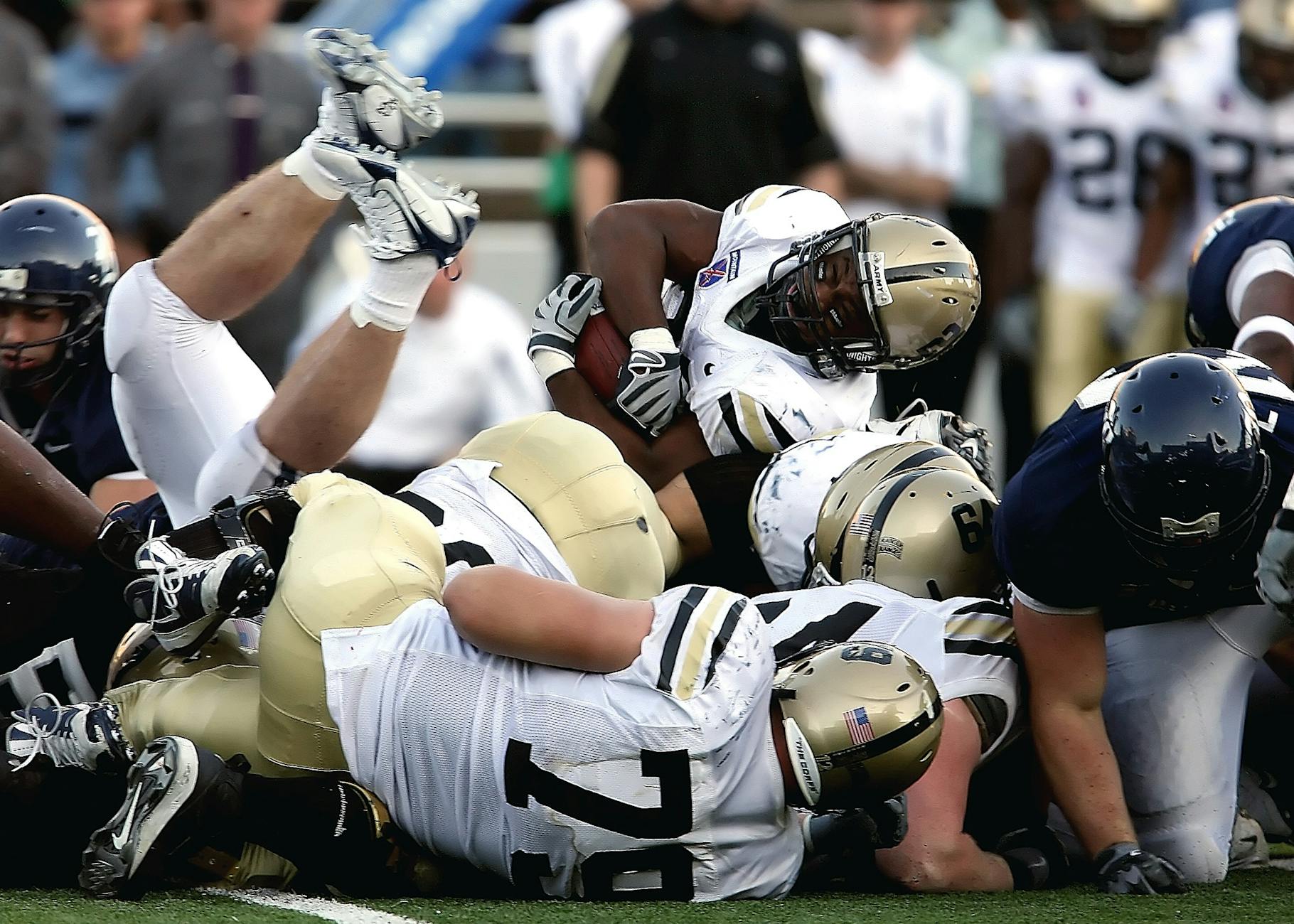
Photo by Pixabay on Pexels
A practitioner-level tip: build a three-column tracker before Week 1. Use one column for kickoff window and TV network, one for conference or subdivision, and one for hidden conditions such as neutral site, international travel, returning quarterback, or FCS-versus-FBS mismatch. In the 2026 sample, Aviva Stadium in Dublin creates a different preparation environment than Los Angeles Memorial Coliseum or Scott Stadium in Virginia. That edge case is rarely emphasized in generic previews, yet it can explain why a favorite’s first-half rhythm looks uneven despite superior roster talent.
See the details before building your own weekly watchlist.
Where It Held Up?
College football held up best as a discovery product: it offers more weekly storylines, more regional identity, and more ranking movement than the NFL. NCAA.com’s FBS hub tracks scores, statistics, rankings, championship history, Heisman contenders, and playoff news, making it useful for fans who like evolving narratives.
The strength of the format is volume with consequence. The NCAA’s FBS coverage lists the CFP National Championship for January 25, 2027, at Allegiant Stadium in Las Vegas, and its news cycle links regular-season performance to playoff positioning months before that date. That long runway gives fans time to evaluate Indiana, Miami, Oregon, Notre Dame, Ohio State, Alabama State transfers, and other named programs or players through rankings, bowl projections, and conference results. As NCAA.com puts it in its FBS coverage, the page is dedicated to “news, scores, stats and FBS rankings,” which is exactly the mix serious followers need.
The second area where college football held up was tactical diversity. The NFL tends to compress style because roster quality and coaching systems are more standardized; college football still produces extreme contrasts between tempo offenses, option principles, transfer-led rebuilds, conservative defensive teams, and blue-chip recruiting machines. For Goal Moments readers who already study FIFA World Cup tactics, the transferable lesson is clear: do not evaluate only the final score. Look for pace, field position, explosive plays, red-zone efficiency, and whether a program’s personnel actually fits its stated system. For more tactical crossover, visit our [Internal Link: football tactics comparison hub].
Where It Fell Apart?
College football fell apart when I tried to use one universal ranking or betting lens for every game. The sport’s scale makes simple comparisons unreliable, especially across FBS, FCS, conference strength, neutral sites, transfer-heavy rosters, and early-season nonconference matchups.
The most common failure point is treating all favorites equally. A USC line at the Los Angeles Memorial Coliseum against San Jose State carries a different logic than TCU facing North Carolina at Aviva Stadium in Dublin or Jacksonville State visiting North Dakota State at the Fargodome. Venue, travel, roster continuity, and subdivision context all change the meaning of a point spread or prediction. A 35.5-point favorite is not automatically “safer” than a 6.5-point favorite; it may simply reflect a larger talent gap while still carrying backdoor-cover risk late in the fourth quarter.
Photo by Pixabay on Pexels
The second weakness is information overload. ESPN, NCAA.com, conference sites, team beat writers, transfer portals, injury reports, and broadcast notes all produce useful but fragmented signals. My contrarian conclusion is that casual fans should ignore national title talk until they understand three things: the team’s conference path, its quarterback situation, and its schedule compression from October to November. That approach is less glamorous than preseason rankings, but it prevents a familiar mistake: buying into a brand name before seeing whether the calendar allows recovery after a road loss. For more on interpreting rankings, see [Internal Link: college football rankings explainer].
If you want a cleaner way to connect schedules, tactics, and major-tournament thinking, continue with Goal Moments.
Would I Use It Again?
Yes, I would use college football again as a serious weekly viewing and analysis product, but only with a structured process. The sport is too broad for passive tracking, yet it becomes highly rewarding when organized by calendar, conference, venue, and roster context.
Here is the process I would recommend for the 2026 season:
- Start with ESPN’s weekly schedule and mark key windows from Week 1 through Week 15.
- Separate FBS games from FCS games before comparing rankings or odds.
- Track major conferences first: SEC, Big Ten, Big 12, ACC, Pac-12, Mountain West, and Sun Belt.
- Note neutral-site and international games, especially Dublin, Las Vegas, and major bowl venues.
- Use NCAA.com for FBS rankings, CFP dates, championship history, and Heisman watchlists.
- Revisit assumptions after every conference weekend rather than after isolated highlight results.
That method is especially useful for readers who move between sports ecosystems. Goal Moments focuses on FIFA World Cup match predictions, team tactics, player stats, and tournament coverage, but the analytical habits transfer well. In both college football and World Cup football, the sharpest read comes from understanding schedule pressure, team identity, player availability, and tournament path. The difference is that college football has more teams and more uneven opponents, so your filter must be stricter. For adjacent coverage, check our [Internal Link: 2026 World Cup prediction methodology].

Photo by Kio on Pexels
My final recommendation is straightforward: follow college football in 2026 if you enjoy layered analysis, but do not follow it casually through rankings alone. Use the schedule as your foundation, then add conference strength, venue, roster continuity, and playoff implications. That is the difference between watching a game and understanding why it matters in the national picture.
Get started with deeper football analysis from Goal Moments.
Frequently Asked Questions
Q: What is college football?
A: College football is gridiron football played by university and college teams, mainly in the United States and Canada. In the U.S., the highest-profile level is NCAA Division I FBS, which feeds national rankings, bowl games, the Heisman Trophy race, and the College Football Playoff. It differs from the NFL because teams are tied to schools, conferences, eligibility rules, recruiting cycles, and academic calendars.
Q: How do I follow the 2026 college football schedule?
A: Start with a weekly schedule source such as ESPN, then filter by FBS, FCS, and conference. For 2026, Week 1 runs from August 22 to September 7, while bowl season and the CFP extend into January 2027. Add key venues, TV networks, and kickoff times to a personal tracker so you can prioritize meaningful conference and playoff-impact games.
Q: What is the difference between college football and the NFL?
A: College football has more teams, more conferences, more uneven matchups, and a postseason built around bowls and the College Football Playoff. The NFL has 32 professional franchises with a centralized schedule, draft system, salary cap, and standardized competitive structure. College football analysis therefore depends more on conference strength, recruiting depth, transfer movement, and venue context.
Q: Why do college football rankings change so often?
A: Rankings change often because teams play uneven schedules across different conferences and nonconference opponents. A win against a ranked SEC or Big Ten opponent may carry more weight than a comfortable victory over a weaker program. Poll voters, playoff committees, computer ratings, injuries, and strength of schedule all influence movement from September through December.
Q: What should I do if college football odds or predictions seem confusing?
A: Break the matchup into venue, conference level, roster continuity, and schedule spot before judging the number. A large spread, such as a multi-touchdown favorite, may reflect talent gap but still carry late-game risk. Neutral-site games, FCS opponents, travel distance, and returning quarterback experience often explain why similar odds behave differently.
Q: Is college football free to watch?
A: Some college football games are available on free-to-air networks, but many require cable, streaming, or conference-specific broadcast access. Major games may appear on ESPN, ABC, NBC, CBS, FOX, CBSSN, or streaming platforms depending on rights agreements. Fans should check weekly listings because kickoff times and networks can shift during the season.
Thank you for reading. We hope you found this article thoughtful and inspiring.