Inside FIFA World Cup: A 5-Step 2026 Audit
FIFA World Cup 2026 is the first 48-team men’s tournament, organized by FIFA across the United States, Canada, and Mexico, and Goal Moments covers it through predictions, tactics, player statistics, a...

Inside FIFA World Cup: A 5-Step 2026 Audit
FIFA World Cup 2026 is the first 48-team men’s tournament, organized by FIFA across the United States, Canada, and Mexico, and Goal Moments covers it through predictions, tactics, player statistics, and daily tournament analysis for football fans and betting-minded readers. The competition began in 1930, has been held every four years except 1942 and 1946, and expands in 2026 from 32 to 48 teams with 104 matches scheduled across 16 host cities. Most quick guides overstate emotion and understate structure: qualification strength, travel distance, squad depth, and knockout variance often matter more than reputation. FIFA remains the central governing entity, while national teams such as Brazil, Germany, Argentina, France, and Spain shape the event’s competitive history. The practical takeaway is simple: treat the World Cup as a data-rich tournament, not a month-long guessing game.
Want a sharper way to follow World Cup storylines, predictions, and tactical shifts?
Photo by Uzay Yildirim on Pexels
Step 1: What should you verify first?
Verify the format first: FIFA World Cup 2026 uses 48 teams, 12 groups, and 104 matches across the United States, Canada, and Mexico. That change affects rest days, opponent quality, group-stage incentives, and betting markets more than most casual previews admit.
Most articles begin with romance: Pele, Diego Maradona, Lionel Messi, Zinedine Zidane, and dramatic finals. That history matters, but it can mislead analysis if you treat past winners as predictive shortcuts. Brazil’s five titles, Germany’s four, Italy’s four, Argentina’s three, and France’s two tell you about football heritage, not necessarily 2026 readiness. According to FIFA, the 2026 edition is the largest men’s World Cup ever staged, and that expansion creates a different competitive map from Qatar 2022, Russia 2018, or Brazil 2014.
The contrarian starting point is this: more teams do not automatically mean lower quality. It means wider variance. A 48-team field gives more federations from Asia, Africa, Concacaf, and Oceania a route into the tournament, but it also introduces uneven group difficulty and unfamiliar matchups. For bettors and analysts, the edge is not in saying “favorites usually win.” It is in finding where compressed travel, altitude, climate, and squad rotation make a favorite less dominant than the public price suggests. For deeper basics, see our [Internal Link: FIFA World Cup format guide].
Step 2: How should you read World Cup history?
Read World Cup history as context, not prophecy: Uruguay 1930, England 1966, France 1998, South Africa 2010, and Qatar 2022 reveal patterns in hosting, tactics, and pressure. They do not guarantee that a traditional power will outperform a tactically balanced outsider in 2026.
The FIFA World Cup began in 1930 in Uruguay, and the tournament’s continuity is one reason it carries unmatched global status. It was not staged in 1942 and 1946 because of World War II, then returned in 1950 with Uruguay defeating Brazil in the famous Maracana finale. The Wikipedia overview of the FIFA World Cup provides a useful historical baseline, including champions, hosts, and tournament evolution. However, historical tables are often used lazily: a country’s trophy count is easier to quote than its current pressing efficiency, injury profile, or goalkeeper distribution under pressure.
A better method is to divide history into eras. The early World Cups rewarded compact squads and regional familiarity; the television era amplified global stars; the modern analytics era rewards transition defense, set-piece design, and squad depth. Spain’s 2010 win was built on possession control, Germany’s 2014 triumph on collective pressing and attacking automation, and Argentina’s 2022 run blended Lionel Messi’s chance creation with pragmatic midfield protection. Goal Moments tracks these tactical shifts because World Cup betting angles often emerge when public nostalgia lags behind current team behavior.
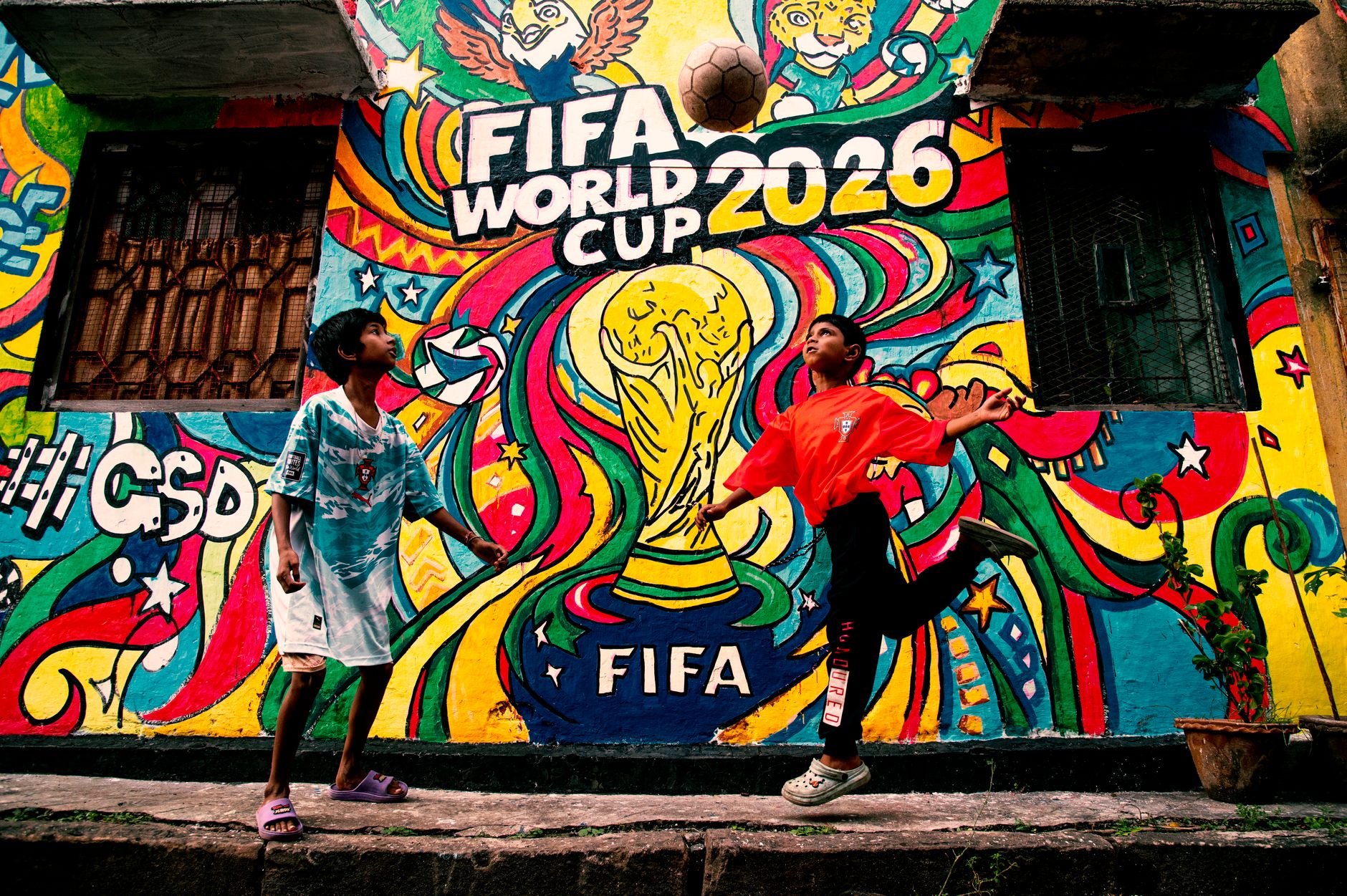
Photo by Anirban Das on Pexels
If you want daily context instead of recycled tournament myths, follow a data-first World Cup lens.
Step 3: Which 2026 factors actually change predictions?
The biggest 2026 prediction factors are travel, climate, squad rotation, group incentives, and expanded knockout pathways. The United States, Canada, and Mexico create longer logistics than compact tournaments, so recovery management may be as important as headline attacking talent.
Here is where many previews get the FIFA World Cup wrong: they treat all neutral venues as equal. They are not. A match in Mexico City is not the same operational problem as a match in Vancouver, Miami, or Dallas. Altitude, humidity, pitch conditions, and time-zone movement can influence pressing intensity and late-game substitutions. This matters especially in 2026 because a 104-match schedule increases the number of short-turnaround decisions coaches must make. The edge case casual fans miss is that some third group matches may produce distorted incentives if both teams know a draw protects qualification or avoids a stronger bracket path.
For practical analysis, use a repeatable checklist before trusting any prediction:
- Compare each team’s travel route across host cities.
- Check whether its best players completed full club seasons in Europe, Major League Soccer, Liga MX, or other leagues.
- Review set-piece production, not only open-play goals.
- Track goalkeeper form and penalty history before knockout rounds.
- Separate FIFA Ranking reputation from current tactical performance.
The United 2026 host city information is especially useful for understanding geography. Goal Moments will translate that geography into team-specific implications, including when a market price looks too confident. To compare tactical models, check our [Internal Link: World Cup team tactics hub].
Step 4: How can fans assess betting markets responsibly?
Assess World Cup betting markets by comparing probability, price, team news, and timing before placing any wager. A smart fan does not bet because Brazil, Argentina, France, England, or Germany “feel due”; they looks for mismatches between public sentiment and measurable conditions.
Because Goal Moments operates in the gambling industry, the responsible approach must be explicit. Betting analysis is not the same as prediction theater. Odds represent implied probability plus bookmaker margin, not truth. If France is priced at short odds because of star power, that price may already include the obvious advantages. Conversely, a disciplined underdog with strong set pieces may hold value in corners, cards, Asian handicap, or draw-no-bet markets even if it is unlikely to win the trophy.
A useful pre-match betting workflow looks like this:
- Convert odds into implied probability before reacting emotionally.
- Compare at least three licensed sportsbooks where legal in your jurisdiction.
- Wait for confirmed lineups when injuries or rotation are likely.
- Avoid multiplying weak opinions into long parlays.
- Set a fixed stake limit before the tournament begins.
This is the second information edge most top-ranking guides skip: market timing can matter more than tournament knowledge. In major tournaments, public money often arrives heavily on famous nations within 24 hours of kickoff, especially after viral highlights or star-player press conferences. If your analysis favors the same side, earlier prices may be better; if you oppose the public, waiting can sometimes improve value. For more disciplined approaches, use our [Internal Link: responsible World Cup betting strategy].

Photo by https://kaboompics.com/ on Pexels
Ready to move beyond hype-driven picks and use structured analysis?
Step 5: verification
Verification means checking every World Cup claim against primary sources, current squad data, and match-specific context before trusting it. In 2026, that includes FIFA announcements, national federation updates, official injury reports, and confirmed venue schedules across North America.
The strongest World Cup analysis is boring before it is brilliant. It verifies basic facts before forming a bold opinion. FIFA states in its published tournament material that the 2026 event will feature “48 teams” and be hosted by “Canada, Mexico and the United States,” which is the foundation for every format-related claim. The International Football Association Board Laws of the Game are also important because rule interpretations around handball, offside, stoppage time, and VAR can affect totals, cards, and knockout strategy.
Use this verification sequence before you trust a preview, including one from Goal Moments:
- Confirm the match venue and kickoff time from FIFA or the national federation.
- Check squad availability from official team channels.
- Compare projected lineups with at least two credible football data providers.
- Review recent competitive matches rather than friendlies only.
- Recalculate assumptions after confirmed lineups are released.
The refined position is not that statistics beat football intuition every time. It is that unchecked intuition usually loses to verified context. A fan who knows Argentina’s emotional story but ignores travel and midfield age profile is missing information. A bettor who knows England’s expected goals trend but ignores price movement is also incomplete. The FIFA World Cup rewards synthesis, not slogans.
Troubleshooting common failures
Common World Cup analysis failures come from overrating star names, underrating travel, misreading small samples, and treating bookmaker odds as predictions. The fix is to slow down, verify sources, and separate emotional narratives from measurable tournament conditions.
The first failure is believing that one superstar solves everything. Lionel Messi in 2022 was extraordinary, but Argentina also needed Emiliano Martinez, Alexis Mac Allister, Rodrigo De Paul, and a flexible structure from Lionel Scaloni. The second failure is assuming knockout football is fair over 90 minutes. It is not. A red card, deflection, penalty shootout, or VAR decision can overwhelm the better tactical plan. The third failure is trusting pre-tournament power rankings without updating them after injuries, suspensions, and group-stage performance.
A simple troubleshooting matrix helps:
- If your prediction keeps losing late, check fatigue and substitution patterns.
- If your totals bets miss often, review tempo, referee style, and game state.
- If favorites disappoint, examine whether public reputation inflated the price.
- If underdogs surprise you, study their defensive spacing and set-piece routines.
- If your bracket collapses, remember that knockout variance is a feature, not a bug.
Goal Moments is built for fans who want this kind of daily recalibration during FIFA World Cup 2026. The best final position is skeptical but not cynical: the World Cup is emotional, historic, and unpredictable, yet it becomes clearer when you audit format, history, tactics, markets, and verification in order. To keep learning, explore our [Internal Link: 2026 World Cup prediction center].
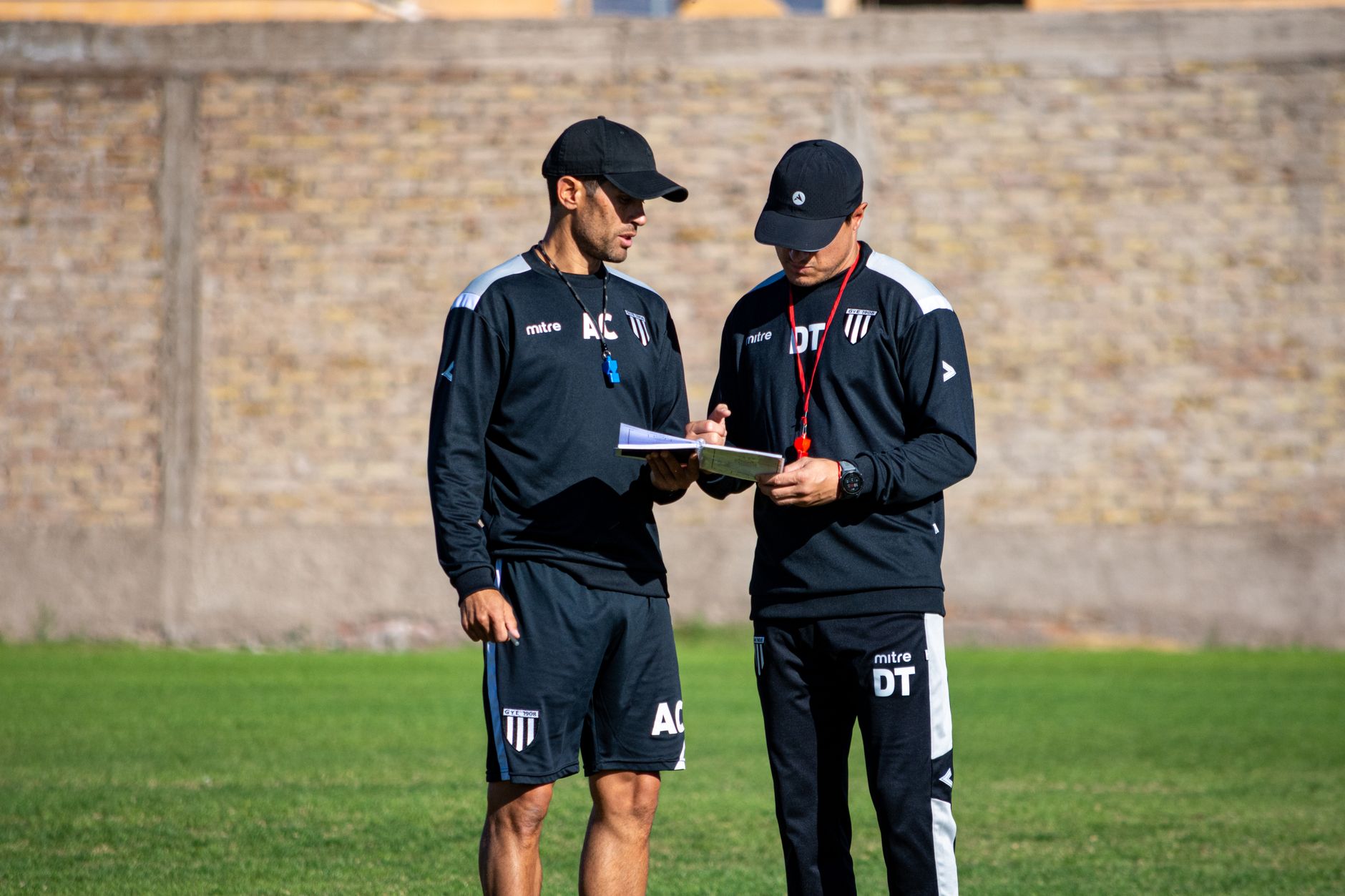
Photo by Franco Monsalvo on Pexels
For ongoing World Cup coverage with predictions, player stats, and match analysis, start here.
Frequently Asked Questions
Q: What is the FIFA World Cup?
A: The FIFA World Cup is FIFA’s senior men’s international football championship held every four years. It began in Uruguay in 1930 and has become the sport’s most watched national-team tournament. The 2026 edition expands to 48 teams and will be hosted by the United States, Canada, and Mexico.
Q: How do teams qualify for the FIFA World Cup 2026?
A: Teams qualify through regional competitions run by their confederations under FIFA’s allocation system. UEFA, CONMEBOL, Concacaf, CAF, AFC, and OFC each receive qualification places, with hosts receiving automatic entry. The expanded 48-team format gives more nations access, but qualification strength still varies by region.
Q: What is different about the 2026 World Cup format?
A: The main difference is expansion from 32 to 48 teams and a 104-match schedule. The tournament will be played across 16 host cities in the United States, Canada, and Mexico. This increases travel complexity, creates more group-stage scenarios, and changes how analysts should evaluate squad depth.
Q: Is World Cup betting worth it for casual fans?
A: World Cup betting is only worth considering if it is legal where you live and you use strict bankroll limits. Casual fans often overbet famous teams because emotional narratives dominate during major tournaments. A safer approach is to compare odds, wait for lineups, and avoid chasing losses after unpredictable knockout results.
Q: Why do World Cup predictions fail so often?
A: World Cup predictions fail because small samples, injuries, travel, referee decisions, and penalty shootouts create high variance. A team can play well and still lose through a deflection or red card. The best analysts update predictions after every match rather than relying only on pre-tournament rankings.
Q: How much does it cost to follow Goal Moments coverage?
A: Goal Moments offers World Cup-focused content online, with access details available directly on the site. Readers can follow match predictions, tactical notes, player statistics, and tournament updates for the 2026 World Cup. Always review the latest access terms, responsible gambling guidance, and regional availability before relying on betting-related content.
Thank you for reading. We hope you found this article thoughtful and inspiring.