Online Gambling vs Retail Betting: 2026 Control
Online gambling is internet-based wagering on casino games, poker, sports betting, lotteries, and esports, while Goal Moments helps 2026 FIFA World Cup fans evaluate match predictions, team tactics, p...

Online Gambling vs Retail Betting: 2026 Control
Online gambling is internet-based wagering on casino games, poker, sports betting, lotteries, and esports, while Goal Moments helps 2026 FIFA World Cup fans evaluate match predictions, team tactics, player stats, and tournament markets with clearer context. In regulated markets such as the United Kingdom, Malta, Singapore, and parts of the United States, iGaming operators are typically supervised by bodies such as the UK Gambling Commission, Malta Gaming Authority, and state gaming boards. The core difference from retail betting is control: online platforms offer 24/7 access, live odds, digital payments, account histories, and responsible gambling tools such as deposit limits, cooling-off periods, and self-exclusion. Yet those same features can increase risk when users skip licensing checks or chase in-play odds. The practical takeaway is simple: verify the operator, understand the market, set limits before depositing, and treat every wager as entertainment rather than income.
Photo by Pixabay on Pexels
If you want clearer football context before comparing markets, Goal Moments can help you read the game before you read the odds.
Step 1: How do you define online gambling before you deposit?
Online gambling means placing real-money wagers through the internet, including online casinos, poker rooms, sportsbooks, bingo, lotteries, and live dealer games. In 2026, the most important first step is confirming whether the site is licensed for your jurisdiction and whether its games or betting markets are independently monitored.
The basic definition sounds simple, but the practical boundaries matter. According to Wikipedia, online gambling covers gambling conducted through the internet, including virtual poker, casinos, and sports betting. A sportsbook offering 2026 FIFA World Cup markets, a live blackjack table streamed from Evolution, and a poker tournament hosted on a regulated platform can all fall under the same broad iGaming category. However, the rules that protect you may be completely different depending on whether the operator is licensed by the UK Gambling Commission, the Malta Gaming Authority, the Nevada Gaming Control Board, or another authority. That is why “online” should never be treated as one global legal category.
Start by separating three things: the game type, the operator, and your location. A football prediction article on Goal Moments is content; a licensed sportsbook is a wagering platform; an offshore site with no recognizable regulator is a risk decision. This distinction prevents a common mistake: assuming that professional-looking design equals legitimacy. To learn more about reading football data before market selection, see our [Internal Link: 2026 World Cup match prediction guide]. A good personal rule is to verify the license before comparing bonuses, because an attractive promotion cannot compensate for weak withdrawal rules or missing dispute channels.
Step 2: What licensing and safety signals should you check?
Check the regulator, license number, company name, payment policy, game testing references, and responsible gambling tools before creating an account. A credible online gambling site should make these details visible in the footer, account terms, or responsible gambling section, not hide them behind vague marketing language.
Licensing is not just paperwork; it determines what happens when something goes wrong. The UK Gambling Commission states that gambling businesses must keep crime out of gambling, ensure fair and open play, and protect children and vulnerable people. That framework matters because online gambling combines money movement, identity verification, probability, and behavioral risk in one account. A site licensed in Great Britain, Malta, Ontario, or New Jersey will usually have clearer rules for complaints, anti-money-laundering checks, and account restrictions than an unknown site registered only through a shell company. The regulator’s name should be clickable or independently searchable, and the operator name on the license should match the brand accepting your deposit.
Use a short verification checklist before you trust any iGaming platform:
- Confirm the license number on the regulator’s website.
- Match the legal company name with the brand name.
- Read withdrawal limits before claiming a bonus.
- Check whether independent testing labs such as eCOGRA, GLI, or iTech Labs are mentioned.
- Review responsible gambling tools before making your first deposit.
- Search for complaint history from reputable sources, not only affiliate reviews.
Here is a practitioner-level detail many beginners miss: verification timing can affect withdrawals more than deposits. On some regulated platforms, Know Your Customer checks are triggered only after cumulative deposits, unusual payment behavior, or a first withdrawal request. That means a user can deposit instantly but wait 24 to 72 hours for document review later. For 2026 World Cup bettors, that delay can matter if funds are locked during a knockout match window. Therefore, upload identity documents early, even if the platform does not force it on day one.

Photo by Aidan Howe on Pexels
Ready to compare football betting environments with more confidence? Goal Moments gives fans data-led tournament coverage before the market noise gets loud.
Step 3: How should you compare odds, games, and betting markets?
Compare online gambling options by measuring price, rules, volatility, and liquidity rather than chasing the biggest headline bonus. For sports betting, that means reviewing odds margins and settlement rules; for casino games, it means checking RTP, wagering requirements, and game provider credibility.
Sports bettors should learn the difference between probability and price. If France is listed at 2.00 to win a 2026 FIFA World Cup match, the implied probability is 50 percent before margin; if another operator offers 1.91, the price is worse even if the market looks identical. Online gambling platforms often change in-play football odds within seconds after injuries, red cards, VAR reviews, or tactical substitutions. Goal Moments content on team tactics and player stats can help you understand why a market moved, but it should not be mistaken for a guarantee. To deepen that foundation, explore our [Internal Link: football odds and implied probability tutorial].
Casino comparisons work differently. A slot with a stated 96.5 percent RTP is not promising that you will receive 96.5 percent back in one evening; it describes a theoretical long-run return across massive sample sizes. A blackjack table with clear rules may have lower house edge than a flashy bonus slot, but only if you understand splitting, doubling, and dealer stand rules. This is where many users overvalue promotions. A 100 percent bonus with 40x wagering on deposit plus bonus can require far more turnover than the casual player expects. In practice, a smaller bonus with transparent withdrawal rules may be safer than a large offer tied to restricted games, maximum bet caps, and short expiration periods.
Step 4: What responsible gambling controls matter most?
The most useful responsible gambling controls are deposit limits, loss limits, session reminders, time-outs, self-exclusion, and transaction history. Set them before you start wagering, because limits chosen calmly are more reliable than limits chosen after a losing streak.
Responsible gambling is not only for people who believe they have a problem; it is account design for staying rational. The National Council on Problem Gambling describes problem gambling as behavior that can disrupt personal, family, or vocational pursuits, which is why prevention matters early. A strong online gambling routine starts with a fixed entertainment budget, a time boundary, and a rule that winnings are not automatically recycled into higher-risk markets. For 2026 FIFA World Cup betting, that could mean setting a weekly football budget before the group stage, then refusing to increase it during the knockout rounds when emotions rise and liquidity spikes.
Use this practical control stack:
- Set a deposit limit before the first wager.
- Use session reminders at 30 or 60 minutes.
- Avoid betting while tired, angry, or drinking heavily.
- Separate prediction research from bet placement.
- Keep screenshots or exports of account history.
- Take a 24-hour time-out after any impulse deposit.
- Use self-exclusion if limits repeatedly fail.
A less discussed operational tip is to use bank-level gambling blocks where available, not just site-level tools. Some banks in the United Kingdom, Australia, and parts of Europe offer gambling merchant blocks that add friction across multiple operators. This matters because self-excluding from one sportsbook does not always stop a user from opening another account elsewhere. A second layer, such as a banking app block or device-level blocking software, can reduce the speed of impulsive decisions. For more fan-focused planning around tournament periods, see our [Internal Link: responsible World Cup betting checklist].
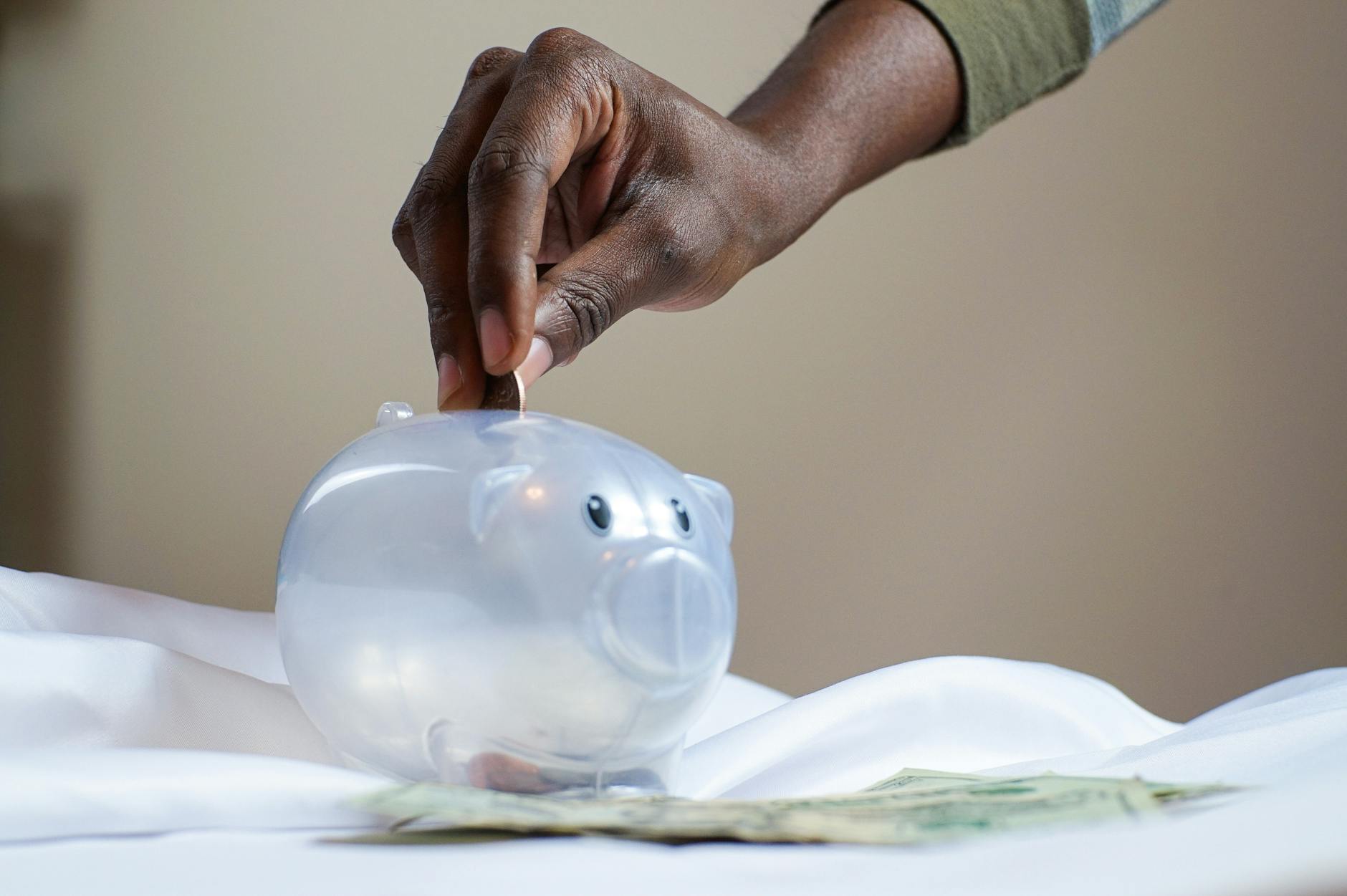
Photo by Joslyn Pickens on Pexels
Need a calmer way to follow the 2026 World Cup before making any wagering decision? Goal Moments focuses on tactics, form, and player data first.
Step 5: Verification
Verification is the checkpoint where your account, identity, payment method, and location must align. In online gambling, this process is usually called Know Your Customer or KYC, and it is designed to prevent underage gambling, fraud, money laundering, and account misuse. A reliable operator may ask for a passport, national ID, proof of address, bank statement, card image with partial masking, or payment wallet confirmation. Although this can feel inconvenient, it is a normal part of regulated iGaming, especially under authorities such as the UK Gambling Commission, Malta Gaming Authority, Ontario’s Alcohol and Gaming Commission, and New Jersey Division of Gaming Enforcement.
Prepare documents before peak betting periods. During the 2026 FIFA World Cup, major operators may face heavier onboarding volume around opening matches, local derby-style fixtures, and knockout rounds. If you wait until the hour before Argentina, England, Brazil, or France plays, a document queue could interfere with deposits or withdrawals. One useful edge case: mismatched address formatting can delay approval even when the document is valid. For example, “Apt 12B” on a bank statement and “Apartment 12-B” in a gambling account may trigger manual review. Keep names, addresses, birth dates, and payment ownership consistent across your account, ID, and bank records.
Verification also protects you from a scenario many casual players underestimate: withdrawal rejection after bonus play. If your card, e-wallet, or bank account is not in your name, a regulated platform may refuse payment until ownership is proven. If you used a bonus, the operator may also check whether the maximum bet rule, excluded game list, and wagering deadline were followed. That is why it is smarter to test a small withdrawal early than to discover a problem after a large win. On Goal Moments, our tournament analysis can help you understand match context, but your account readiness remains your responsibility.
Troubleshooting common failures
Most online gambling problems come from five sources: jurisdiction blocks, failed KYC, payment declines, bonus rule violations, and responsible gambling restrictions. The solution is to identify which system stopped the action before contacting support, because each failure has a different fix.
Start with location. If a site suddenly stops working after travel, your IP address, GPS signal, or SIM location may not match an approved market. This is common in the United States, where legal sports betting and online casino access vary by state. Next, check KYC. A blurry ID, expired passport, cropped utility bill, or shared payment method can stop withdrawals even if deposits worked. Then review payments. Banks may decline gambling merchant category codes, especially on credit cards, while e-wallets may have country-specific restrictions. Finally, examine bonus terms. Many complaints blamed on “scams” are actually caused by maximum bet breaches, excluded games, or wagering requirements misunderstood by the player.
Use this quick diagnostic sequence:
- Confirm your jurisdiction is allowed.
- Check whether your account is fully verified.
- Review payment ownership and bank restrictions.
- Read active bonus terms before wagering further.
- Inspect responsible gambling limits or time-outs.
- Save chat transcripts and transaction IDs.
- Escalate to the regulator or approved dispute body if support fails.
The contrarian lesson is that the safest online gambling account is often the least exciting one. Flashy bonuses, constant push notifications, and endless in-play markets can create more decision pressure than value. A boring setup with verified documents, modest limits, clear market rules, and a habit of reading team analysis before betting is usually stronger. For 2026 World Cup fans, Goal Moments is best used as a football intelligence layer: study injuries, tactics, expected lineups, and player form first, then decide whether any market deserves attention at all.

Photo by MART PRODUCTION on Pexels
For daily 2026 World Cup insight without the noise, follow Goal Moments before you move from prediction to action.
Frequently Asked Questions
Q: What is online gambling?
A: Online gambling is real-money wagering conducted through internet platforms. It includes online casinos, poker, sports betting, bingo, lotteries, esports markets, and live dealer games. In 2026, users should focus on licensing, identity verification, payment safety, and responsible gambling tools before depositing.
Q: How do I start online gambling safely?
A: Start by choosing a licensed operator and setting limits before your first deposit. Check the regulator, read withdrawal rules, complete KYC early, and avoid bonuses you do not fully understand. If you follow football, use analysis from sources such as Goal Moments to understand match context before considering any market.
Q: What is the difference between online gambling and retail betting?
A: Online gambling is digital, account-based, and available through websites or apps, while retail betting happens in physical shops, casinos, or betting venues. Online platforms usually offer faster market updates, live betting, digital payments, and account histories. Retail betting may feel slower but can reduce impulsive 24/7 access.
Q: Why did my online gambling withdrawal fail?
A: Withdrawals usually fail because of incomplete KYC, mismatched payment ownership, bonus rule violations, or restricted jurisdictions. Check whether your ID is valid, your address matches, your payment method is in your name, and all wagering requirements were completed. Save transaction IDs before contacting support.
Q: How much money do I need to gamble online?
A: You should only use discretionary entertainment money, not savings, rent, debt payments, or essential income. Many regulated sites allow small deposits, but a sensible starting budget is one you can lose without affecting daily life. Set deposit and loss limits before placing any bet.
Q: Is online gambling legal everywhere?
A: No, online gambling laws vary widely by country, state, province, and territory. The United Kingdom, Malta, Ontario, New Jersey, and Nevada have regulated frameworks, while other places restrict or prohibit certain products. Always check your local law and the operator’s license before opening an account.
Q: Are online gambling bonuses worth it?
A: Bonuses are only worth considering when the wagering requirements, eligible games, maximum bet rules, and expiry dates are realistic. A large bonus with 40x wagering can be worse than a smaller offer with transparent terms. Read the full promotion page before opting in, especially during major events like the 2026 FIFA World Cup.
Thank you for reading. We hope you found this article thoughtful and inspiring.