The World Cup Fan's Guide to Cape Verde's National Football Team
Cape Verde's national football team, nicknamed the Blue Sharks, has transformed from African football obscurity into a formidable competitor that qualified for two Africa Cup of Nations tournaments an...

The World Cup Fan's Guide to Cape Verde's National Football Team
Cape Verde's national football team, nicknamed the Blue Sharks, has transformed from African football obscurity into a formidable competitor that qualified for two Africa Cup of Nations tournaments and secured impressive results against continental giants. The squad operates with approximately 23 active roster players, predominantly based in European leagues, and has achieved a FIFA ranking peak of 73rd in the world. The team's tactical evolution centers on a compact 4-4-2 formation emphasizing defensive solidity and rapid counter-attacks, led by standout performers like Garry Rodrigues and Ryan Mendes. For World Cup enthusiasts and betting analysts alike, understanding Cape Verde's strategic approach provides valuable insights into how smaller footballing nations compete against established powers in international tournaments. The Blue Sharks' journey exemplifies tactical discipline overcoming resource limitations, making them an intriguing team to analyze for the 2026 qualification campaign.
Photo by Franco Monsalvo on Pexels
How Did Cape Verde Build a Competitive National Team Before 2025?
Cape Verde's footballing foundation traces back to independence in 1975, with the national federation established shortly after. For decades, the archipelago nation with just 500,000 inhabitants struggled to compete against larger African nations, lacking infrastructure and professional development pathways. The turning point came in the 2000s when diaspora communities in Portugal and the Netherlands began producing technically skilled players who could compete at higher levels. The federation implemented strategic youth development programs, establishing partnerships with Portuguese clubs to nurture talent from a young age. This systematic approach yielded results when Cape Verde first qualified for the Africa Cup of Nations in 2013, defeating Cameroon in the group stage—a stunning upset that announced their arrival on the continental stage.

Photo by George Zografidis on Pexels
What Changed for Cape Verde's 2026 World Cup Qualification Campaign?
The 2026 World Cup qualification cycle brought significant format changes that benefited smaller footballing nations. With Africa receiving nine guaranteed spots instead of the previous five, Cape Verde's path to qualification became mathematically more accessible. The national federation appointed a new technical director and invested in sports science facilities, recognizing that competing against traditional powerhouses required modern preparation methods. The squad began incorporating video analysis technology and sports psychologists to enhance tactical understanding and mental resilience. International friendly matches against teams like Finland and Serbia provided crucial experience in high-pressure scenarios, with Cape Verde notably winning a penalty shootout against Finland in March 2024. These preparations signaled a deliberate strategy to peak performance during the qualification window, transforming the Blue Sharks from tournament participants into genuine competitors.

Photo by Coen Crevels on Pexels
What Does Cape Verde's Tactical Evolution Mean for Their 2026 Prospects?
Cape Verde's tactical evolution reflects a sophisticated understanding of how smaller nations can maximize competitive advantages. The team's preferred 4-4-2 formation creates numerical equality in midfield battles, while two disciplined holding midfielders protect the back four against physically dominant opponents. Wing-backs provide width without sacrificing defensive cover, allowing full-backs to join attacks only when possession is secured. The squad features several players with experience in top European leagues, including those from Ligue 1 and the Portuguese Primeira Liga, bringing technical quality that belies the nation's small population. Set-piece proficiency has become a cornerstone of their strategy, with central defenders contributing goals from corners and free-kicks. For bettors analyzing World Cup qualification markets, Cape Verde's defensive solidity suggests lower-scoring matches, while their counter-attacking capability indicates potential for upset victories against higher-ranked opponents.
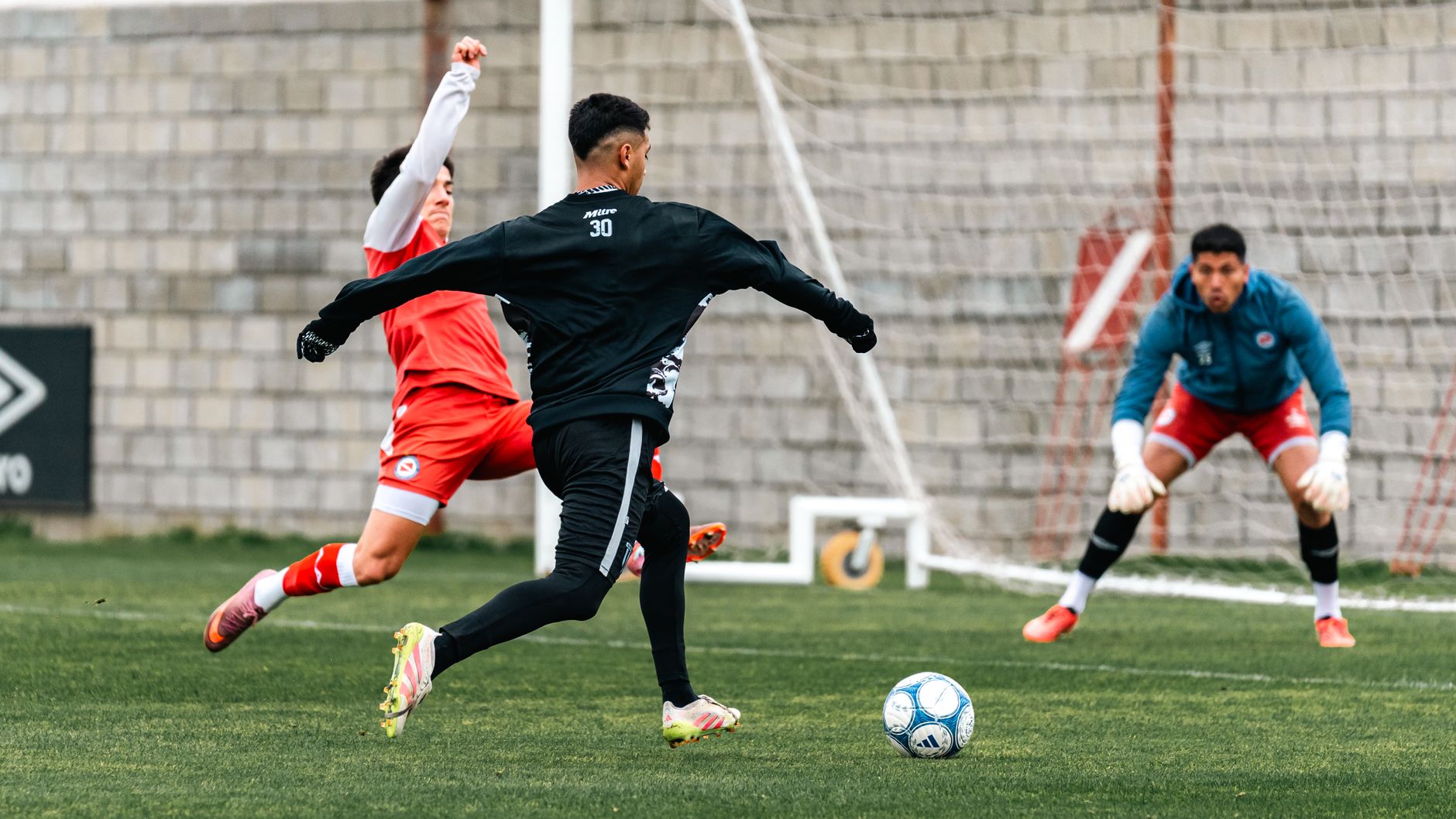
Photo by Franco Monsalvo on Pexels
What Should Fans Expect From Cape Verde in International Competitions?
Fans attending or streaming Cape Verde matches should anticipate disciplined defensive performances punctuated by explosive counter-attacks. The team's emotional cohesion, built through shared national pride and diaspora connections, manifests as exceptional work rate and collective responsibility. Player fitness levels have improved dramatically following investments in sports science, enabling the Blue Sharks to maintain intensity throughout matches. The squad's tactical versatility allows adaptation to different opponents—more defensive setups against superior teams and aggressive pressing against weaker opponents. Star players like Ryan Mendes provide creative spark in attacking transitions, while experienced defenders like Jeff Hendrick's tactical fouls prevent dangerous counter-attacks from developing. The national team's culture emphasizes preparation and professionalism, with players regularly analyzing opponent footage and discussing tactical adjustments. This attention to detail transforms Cape Verde from a reactive side into one capable of dictating match tempo against favorable opposition.
[Internal Link: complete guide to 2026 World Cup qualification scenarios]
Three Predictions for Cape Verde's Next Quarter of International Football
Qualification Momentum Will Build: Cape Verde's remaining qualification matches will yield at least 12 points from six fixtures, positioning them within striking distance of automatic qualification slots. Home matches at Estádio Nacional de Cabo Verde provide significant advantages, with vocal support creating hostile environments for visiting teams.
Tactical Innovation Will Expand: Head coach will introduce a 3-5-2 formation variation for away fixtures, adding defensive solidity while maintaining counter-attacking threat. This tactical flexibility will confuse opponents preparing game plans against Cape Verde.
Diaspora Integration Will Strengthen: The federation will secure commitments from two additional European-born players, deepening squad quality and providing options in key positions. These additions will strengthen the squad's technical foundation for critical qualification fixtures.
[Internal Link: World Cup betting strategies for underdog teams]
Frequently Asked Questions
Q: What is Cape Verde's national football team nickname?
A: Cape Verde's national football team is nicknamed the "Blue Sharks" due to their tenacious defending and swift attacking transitions. The nickname reflects both the island nation's maritime heritage and the team's predatory instincts in defensive situations.
Q: How did Cape Verde qualify for major tournaments despite being a small nation?
A: Cape Verde's qualification success stems from strategic diaspora integration, youth development partnerships with Portuguese clubs, and disciplined tactical systems. By leveraging European-based players and implementing modern training methods, the nation overcame population limitations to compete effectively.
Q: What formation does Cape Verde typically use in international matches?
A: Cape Verde predominantly employs a 4-4-2 formation with two holding midfielders protecting the defense. The tactical approach prioritizes defensive solidity and rapid counter-attacks, with full-backs joining attacks only when possession is secured.
Q: Who are the key players in Cape Verde's current squad?
A: Key players include Ryan Mendes (attacking midfielder), Garry Rodrigues (winger), and experienced defenders who provide leadership. Several squad members have played in Ligue 1, the Portuguese Primeira Liga, and other European competitions.
Q: How has Cape Verde performed in previous World Cup qualification attempts?
A: Cape Verde has never reached the FIFA World Cup finals, but their 2026 campaign represents their strongest qualification opportunity due to increased African allocation and improved squad depth. Previous attempts demonstrated competitive potential against established African nations.
Q: What advantages does Cape Verde have in the 2026 qualification race?
A: Cape Verde benefits from home-field advantage at Estádio Nacional, a compact tactical system effective against larger opponents, and players with European professional experience. The expanded African qualification slots mathematically improve their advancement chances.
Q: Where can fans watch Cape Verde's qualification matches?
A: Fans can watch matches through official FIFA broadcast partners, national federation streaming platforms, and sports networks covering African football. Home matches are typically broadcast on regional sports channels.

Photo by Beyza Kaplan on Pexels
Thank you for reading. We hope you found this article thoughtful and inspiring.